Caregiving often fills the day with practical tasks and little room to pause. A thoughtful gift can offer a moment of comfort, support a routine, or make planning easier.
These 10 ideas span relaxation, desk organization, hydration, and home comforts, so you can choose something that suits the caregiver’s habits and your relationship.
10 Gift Ideas for Caregivers
RENPHO Full Foot Massager with Heat
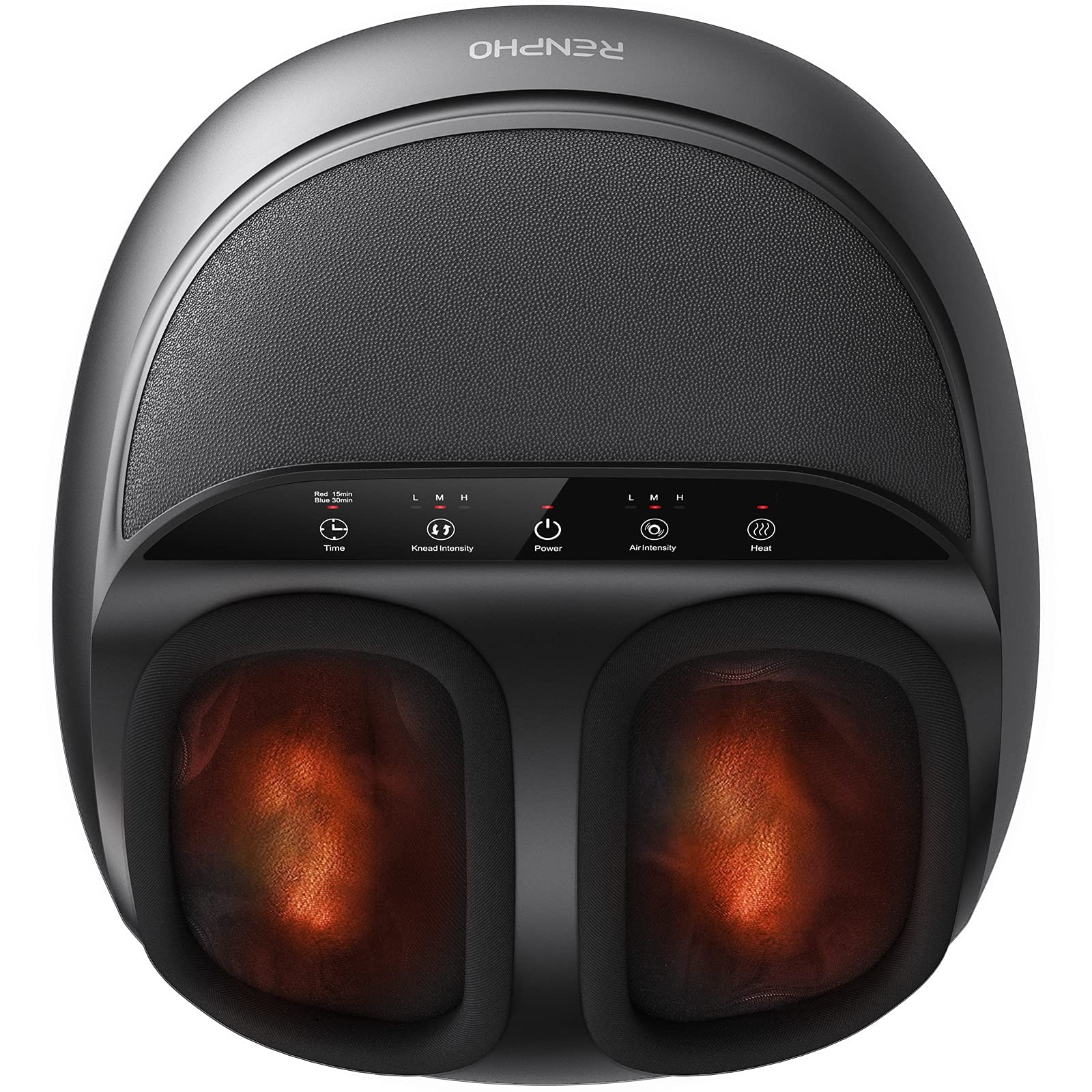
- Adjustable kneading and squeeze settings let the user choose a preferred intensity.
- The foot chambers have removable, washable cloth sleeves for cleaning.
- The massager fits feet up to men size US 13.
Best Gift For: A caregiver who would appreciate a relaxing foot massage at home.

Snailax Shiatsu Back Massager with Heat
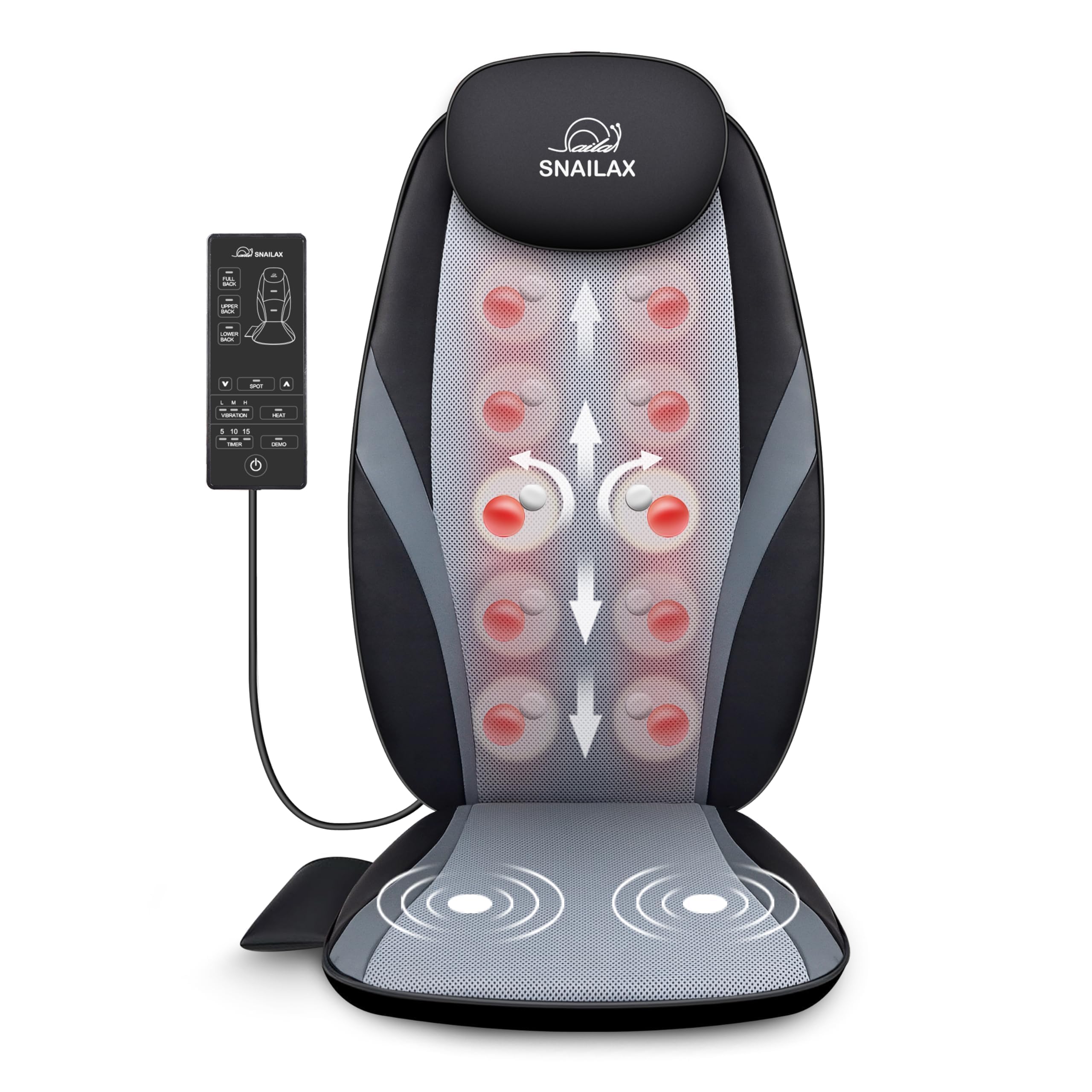
- Choose a massage focus for the full back, upper back, or lower back.
- An intensity flap allows a softer or stronger massage.
- The seat provides adjustable vibration for hips and thighs.
Best Gift For: A caregiver who spends long hours sitting or standing and wants a massage at home or at work.
MyHalos 3D Blackout Sleep Mask, 2-Pack
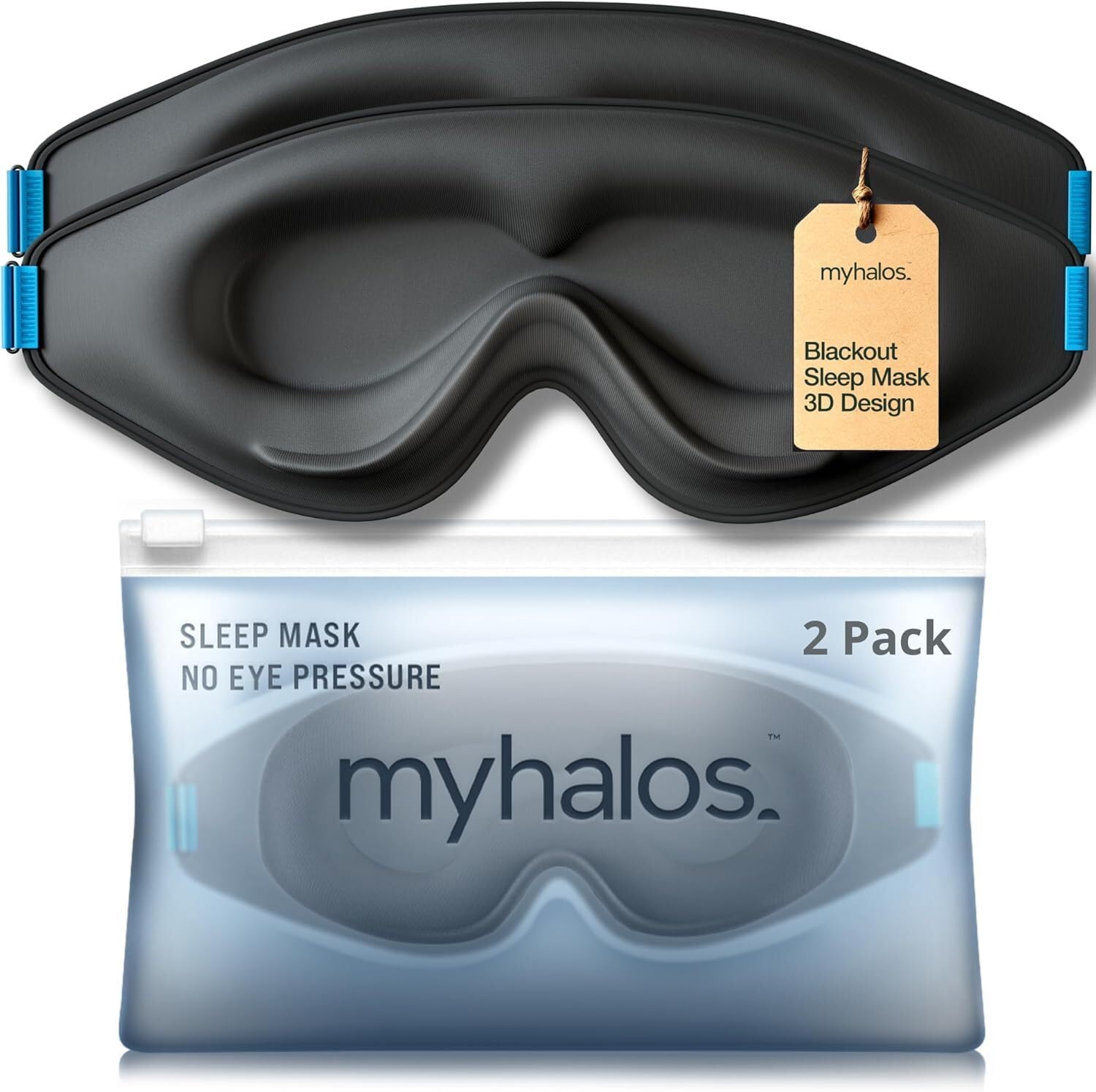
- Contoured eye cups are designed to avoid contact with eyelids or lashes.
- The washable mask includes a protective travel pouch.
- The adjustable strap allows a customized fit.
Best Gift For: A caregiver who works night shifts, travels, or appreciates a darker setting for rest.
Clever Fox Planner PRO Light
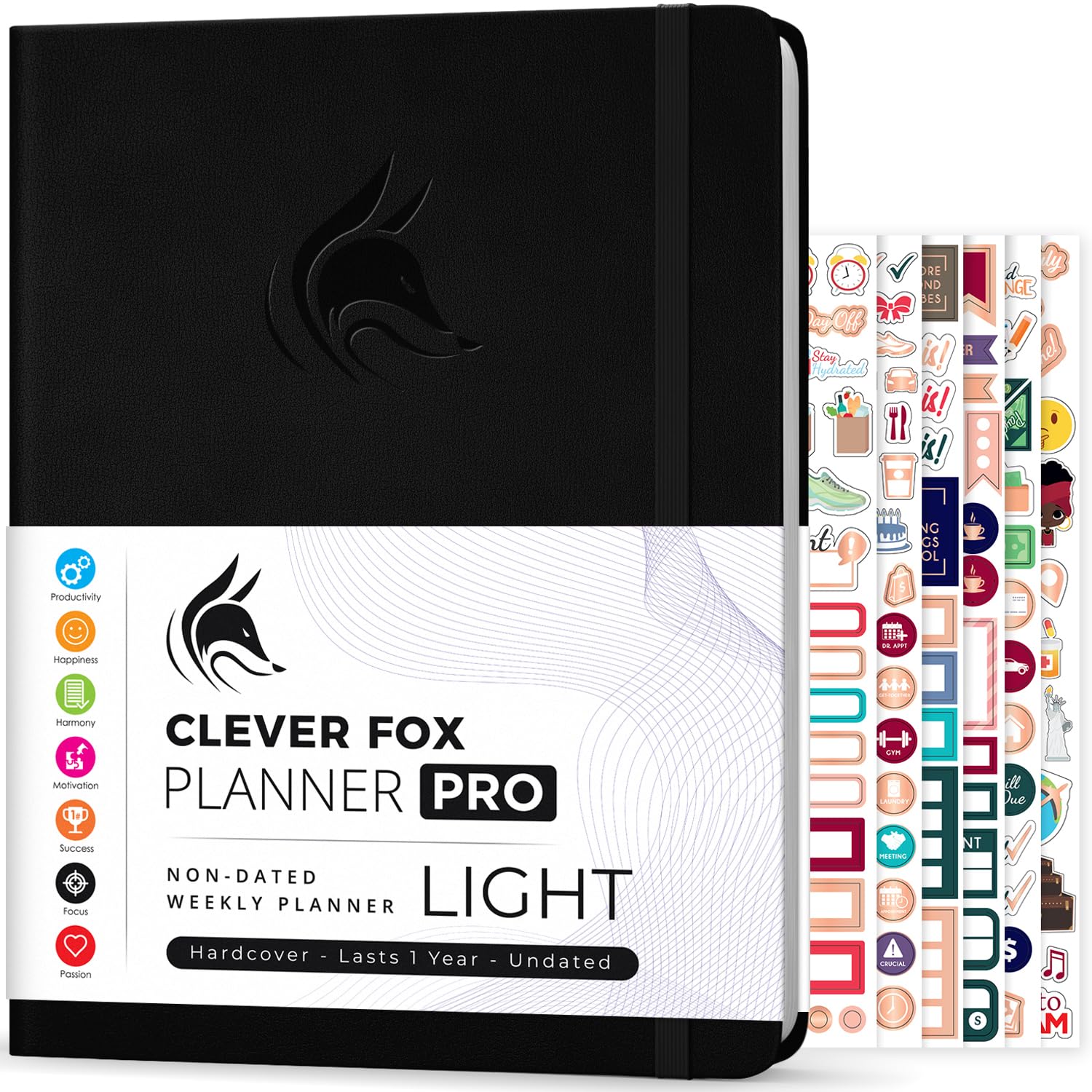
- The planner has monthly, weekly, and daily planning layouts.
- Its undated pages can be started at any time of year.
- A user guide and colorful planning stickers are included.
Best Gift For: A caregiver who likes setting goals and mapping out a changing schedule.
PILOT G2 Fine-Point Green Pens, 12-Pack
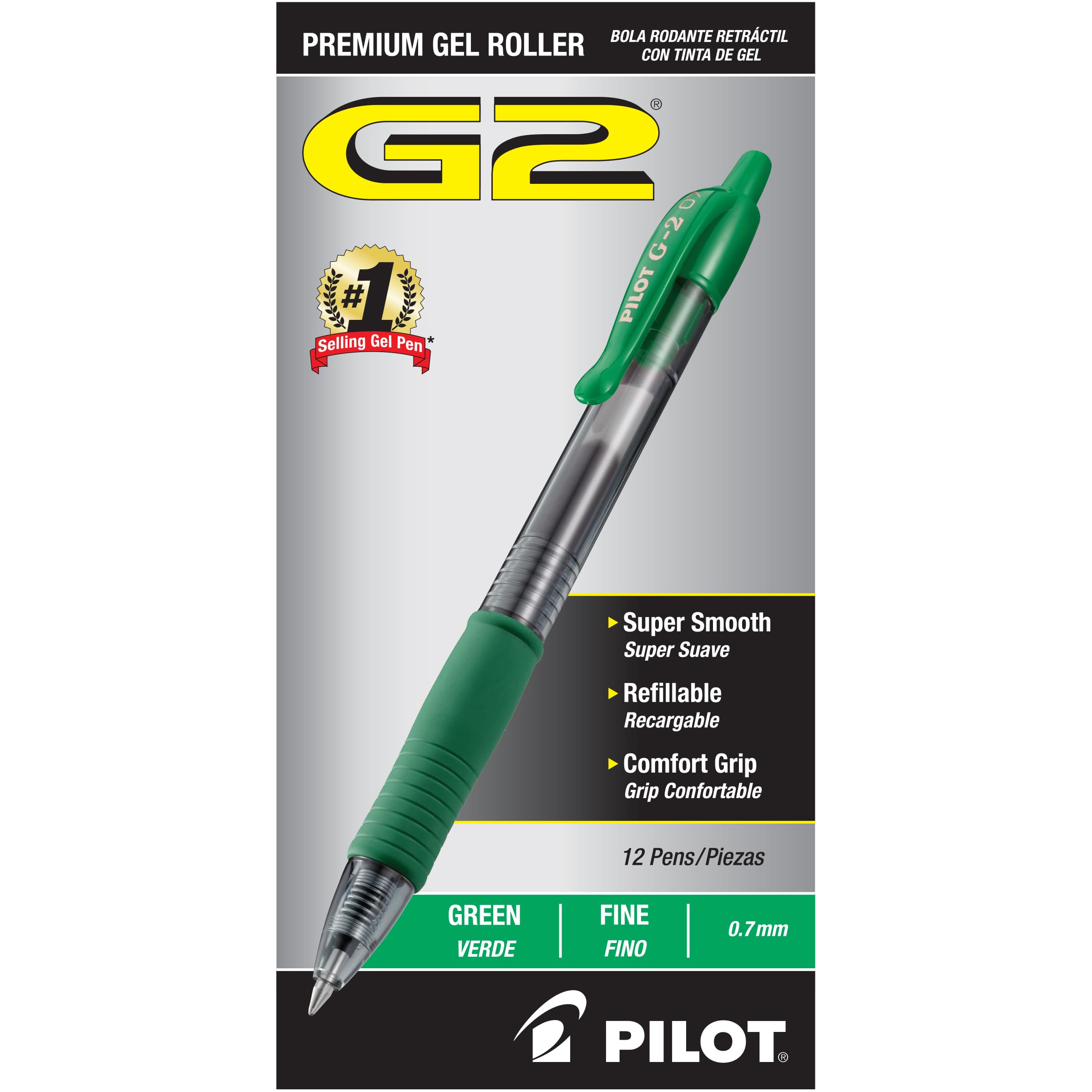
- The pens use green gel ink with a fine point.
- A contoured rubber grip supports longer writing sessions.
- The retractable pens can be refilled with Pilot G2 refills, sold separately.
Best Gift For: A caregiver who enjoys color-coding notes, lists, or plans.
Hydracy 2L Motivational Water Bottle
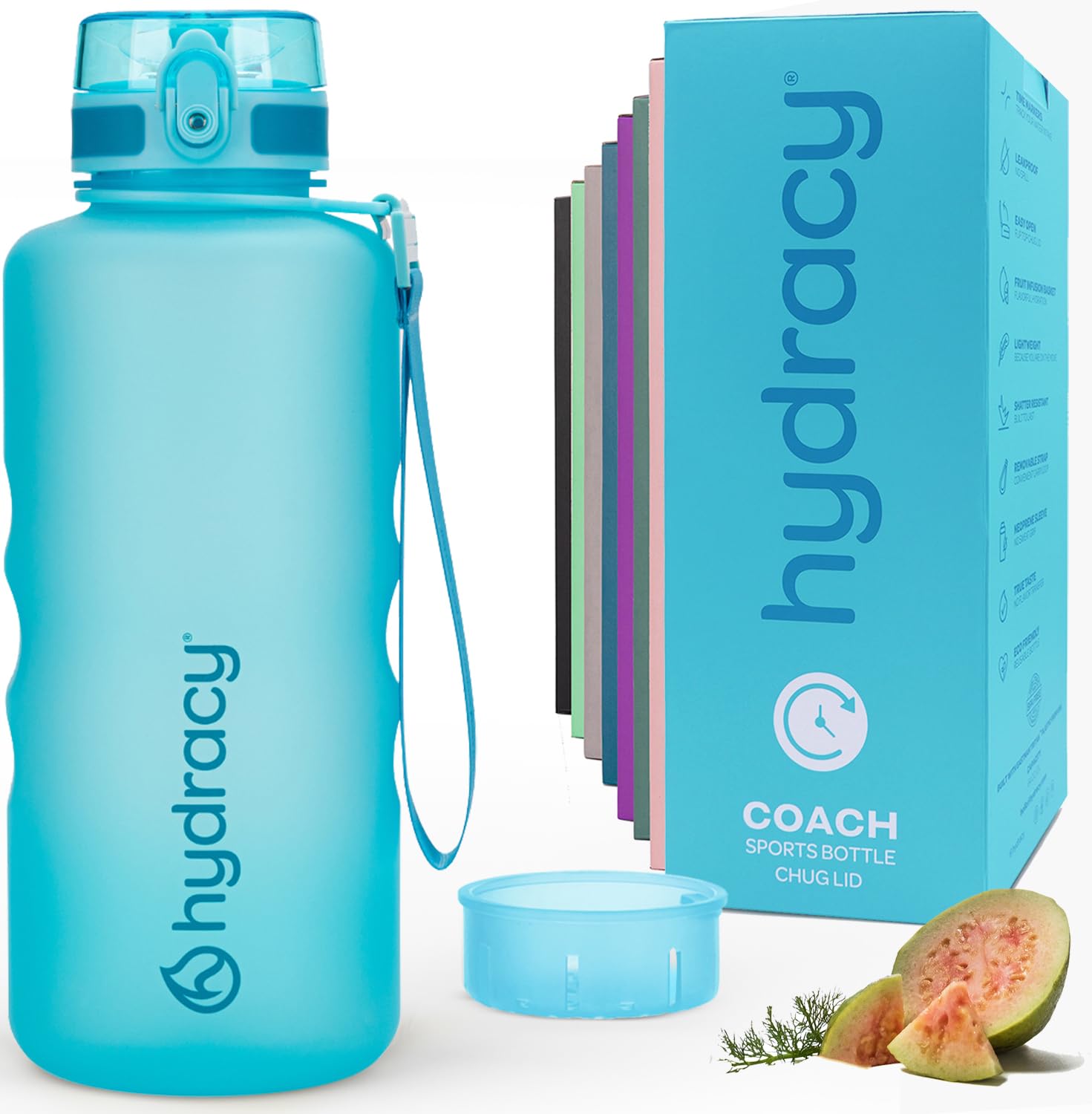
- A timeline marker shows when to take the next sip.
- The bottle has a detachable carry strap and a flip-top lid.
- The bottle is made from BPA-free Tritan plastic.
Best Gift For: A caregiver who wants a visible hydration reminder during busy routines or workouts.
Everlasting Comfort Memory Foam Foot Rest
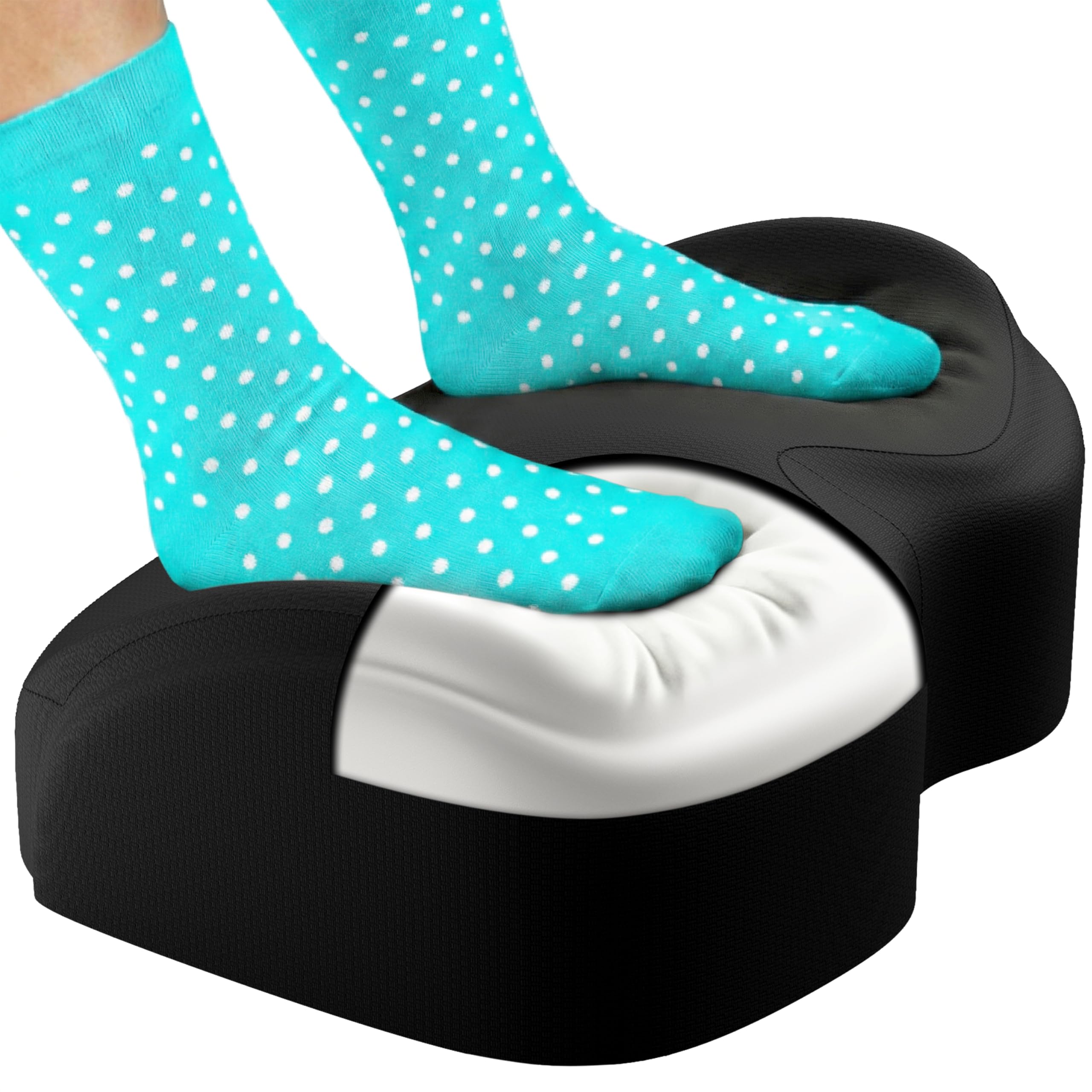
- The footrest has a washable, breathable cover.
- Its non-slip base is designed for carpet, tile, or hardwood.
- The lightweight design is easy to move between rooms.
Best Gift For: A caregiver who works at a desk or gaming station and wants a place to elevate their feet.
GENIANI Portable Cool Mist Humidifier
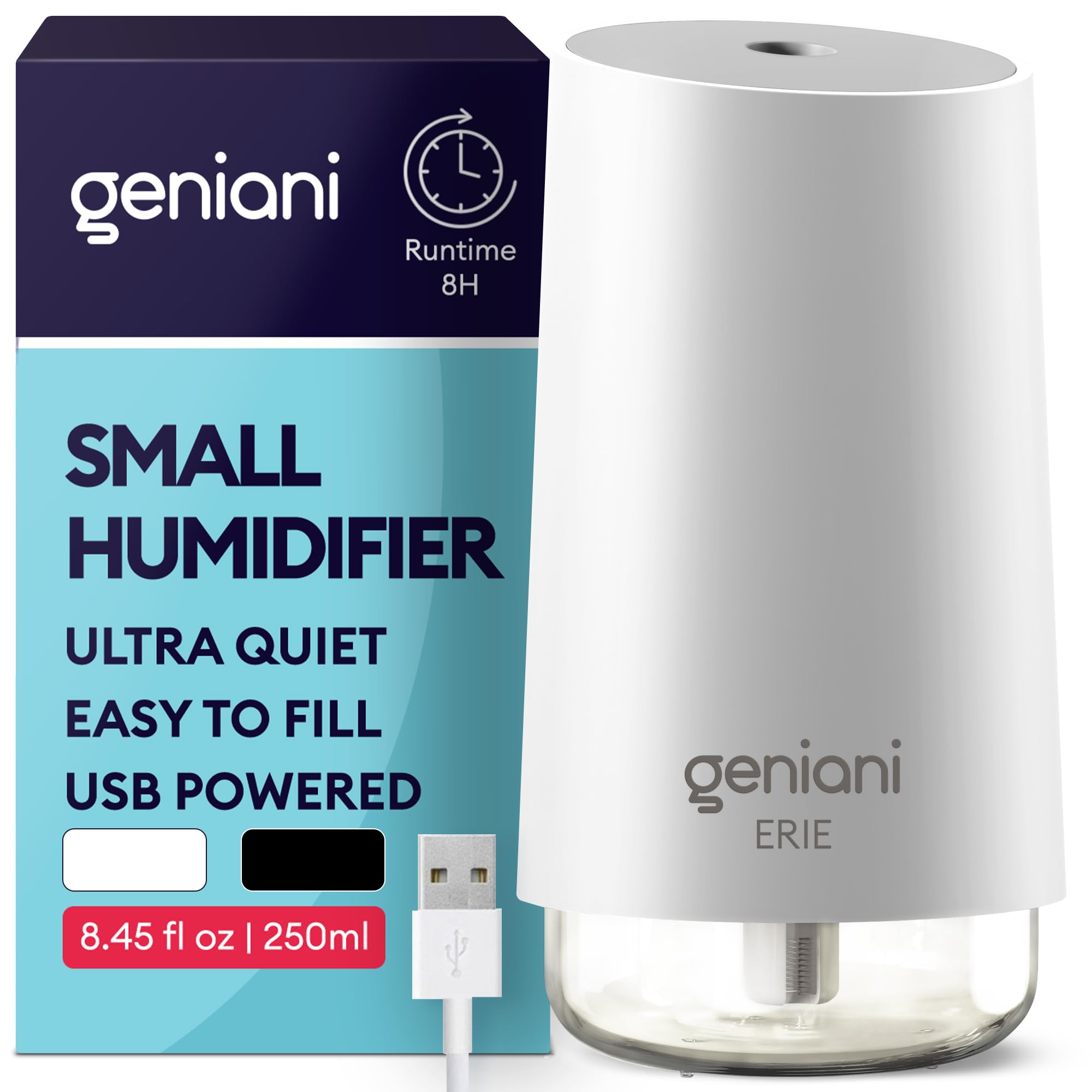
- The wide-opening tank makes refilling and cleaning easier.
- It can be powered through USB, including from laptops or power banks.
- The unit shuts off automatically when the tank runs low.
Best Gift For: A caregiver who would enjoy a compact humidifier for a bedroom, office, or travel space.
Mueller Living 1.8L Glass Electric Kettle
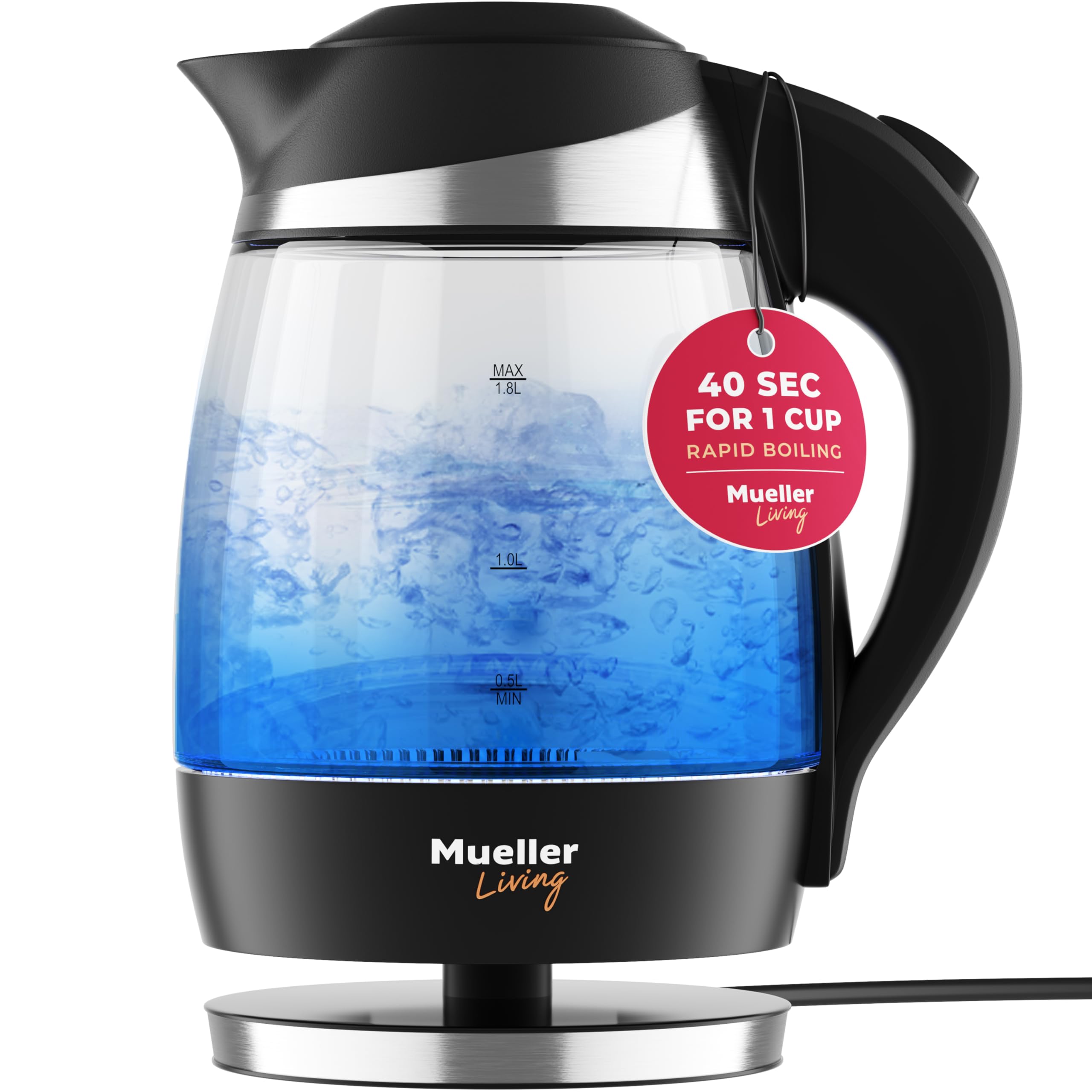
- The glass kettle has an LED light that turns off when the water is ready.
- It shuts off automatically when the water boils.
- The power cord connects to the base, allowing cordless pouring.
Best Gift For: A caregiver who enjoys making tea, coffee, or a quick snack at home.
Bare Home Cotton Weighted Blanket, 60 x 80 Inches, 22 lb
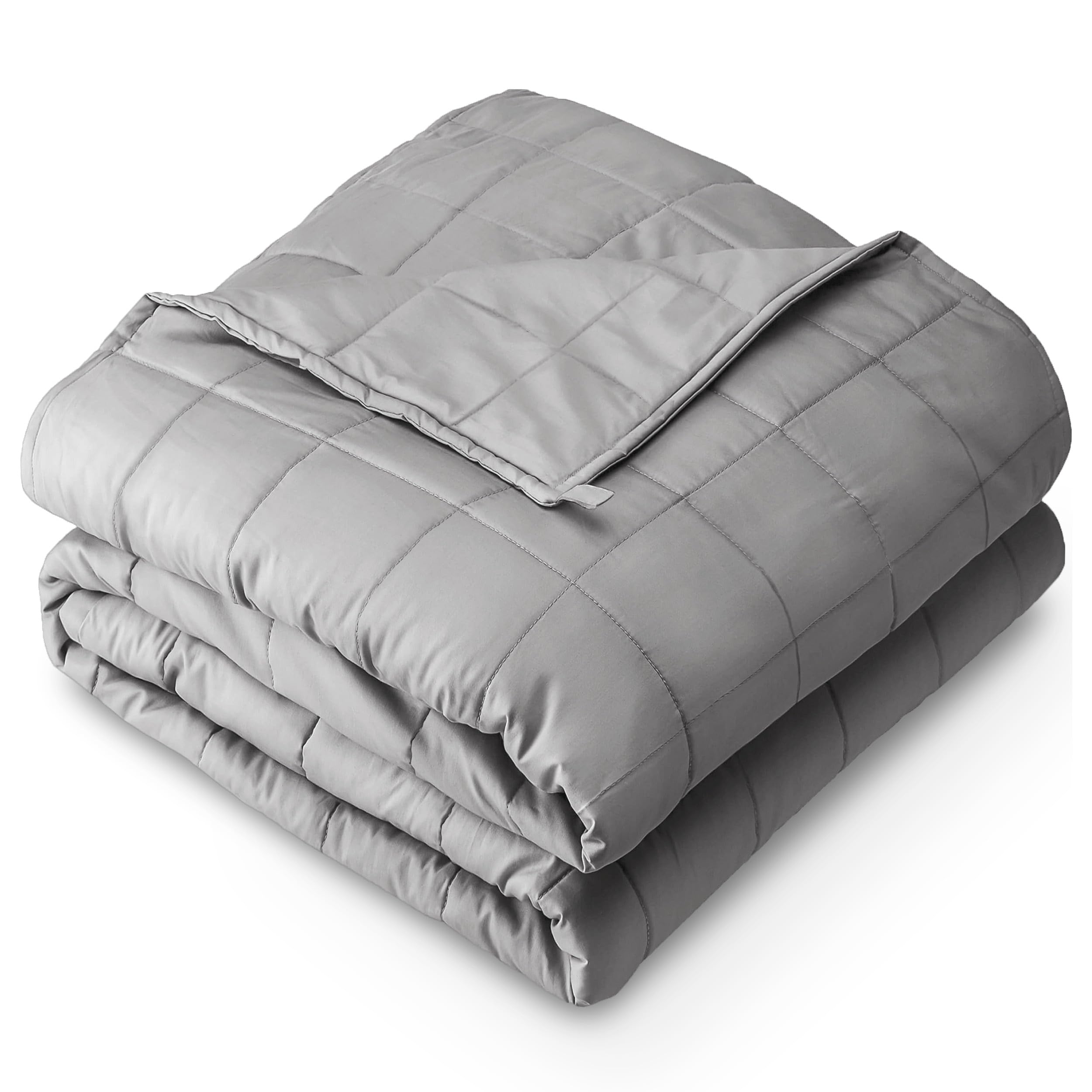
- The blanket is made with cotton fabric and glass bead filling.
- Reinforced stitching and smaller pockets help keep the beads distributed.
- It can be machine washed in cold water on a gentle cycle.
Best Gift For: A caregiver who likes the feeling of gentle weight at bedtime and for whom the size and weight are appropriate.
Choosing Christmas gifts for caregivers
When choosing Christmas gifts for caregivers, start with the kind of break they actually get. Someone with a quiet evening at home may welcome a comfort-oriented gift, while a caregiver who spends time at a desk may get more use from something that supports planning or a seated routine.
Think about their preferences before selecting a personal comfort item. A massage device or sleep accessory suits someone who already enjoys those routines; a planner, pens, or water bottle may feel more natural for someone who prefers practical tools.
Consider the setting where the gift will be used. For a shared home, a compact item with a clear place to live may be easiest to enjoy.
For a workplace, think about whether the caregiver has room and permission to use it there.
Balancing usefulness and budget
A useful gift does not need to be elaborate. Small desk supplies can make a thoughtful choice when the recipient likes planning or writing, while home comfort items may feel more substantial for a close family member or a group gift.
For Christmas gifts for caregivers, decide on a comfortable spending range first, then compare the kinds of everyday use each option offers. A larger item may be more useful only if the recipient has room for it and wants that feature in their routine.
Check actual prices before buying, since they can change. If you are choosing between a simple practical item and a larger comfort gift, consider whether the recipient would use it regularly and whether they would prefer something easy to store.
Personal touches and presentation
A short handwritten note can make Christmas gifts for caregivers feel personal without making the gift complicated. Mention a specific moment when their patience, humor, or steady presence helped, and keep the message warm rather than turning it into another task for them.
Pair the gift with a small gesture that matches its use. A favorite tea or a snack can accompany a home comfort item; a note tucked into a planner or pen package can turn practical supplies into a considered gift.
Presentation can be simple and easy to open. Use a gift bag or reusable wrap if that suits the recipient, and include a brief note about why you chose it.
Avoid adding extra items they would need to store or maintain unless you know they would enjoy them.
Match the gift to daily routines
Notice what the caregiver already carries, uses, or talks about. A person who keeps lists may appreciate writing supplies, while someone who likes a structured week could use a planner.
For someone who values quiet downtime, a comfort item may be a better fit.
If the caregiver works across several settings, consider portability and storage. A gift used at home may be less useful if they have little room, while a desk accessory may not suit someone whose work moves from place to place.
When uncertain, choose something straightforward and easy to incorporate.
Ask yourself whether the gift fits the recipient rather than an idealized version of their life. A simple item that matches an established habit can feel more thoughtful than a grand gesture that expects them to create a new routine.
Last-minute buying advice
Before ordering, check the current product details, compatibility, dimensions, and delivery estimates. This is especially useful for items that need to fit a particular space or suit an existing setup.
Plan enough time to wrap the gift and add a note, even if the item itself is practical.
If timing is tight, a digital card with a specific message can accompany an order, or you can give a handwritten promise of a shared meal or a quiet break together. Keep any promise manageable and specific so it feels caring rather than like another obligation.
For a final choice, return to one question: what would make an ordinary day a little easier or more restful for this caregiver? A gift connected to that answer will often feel personal, even when it is simple.