Caregiving can fill the day with practical tasks and little pauses. A useful gift can make a work area more comfortable, encourage a moment to recharge, or offer a simple pleasure during a busy routine.
These 12 gifts for caregivers span desk comforts, everyday essentials, and home relaxation. Consider how the recipient spends their time and which small convenience would feel most personal.
12 Gift Ideas for Caregivers
Snailax Shiatsu Back Massager with Heat
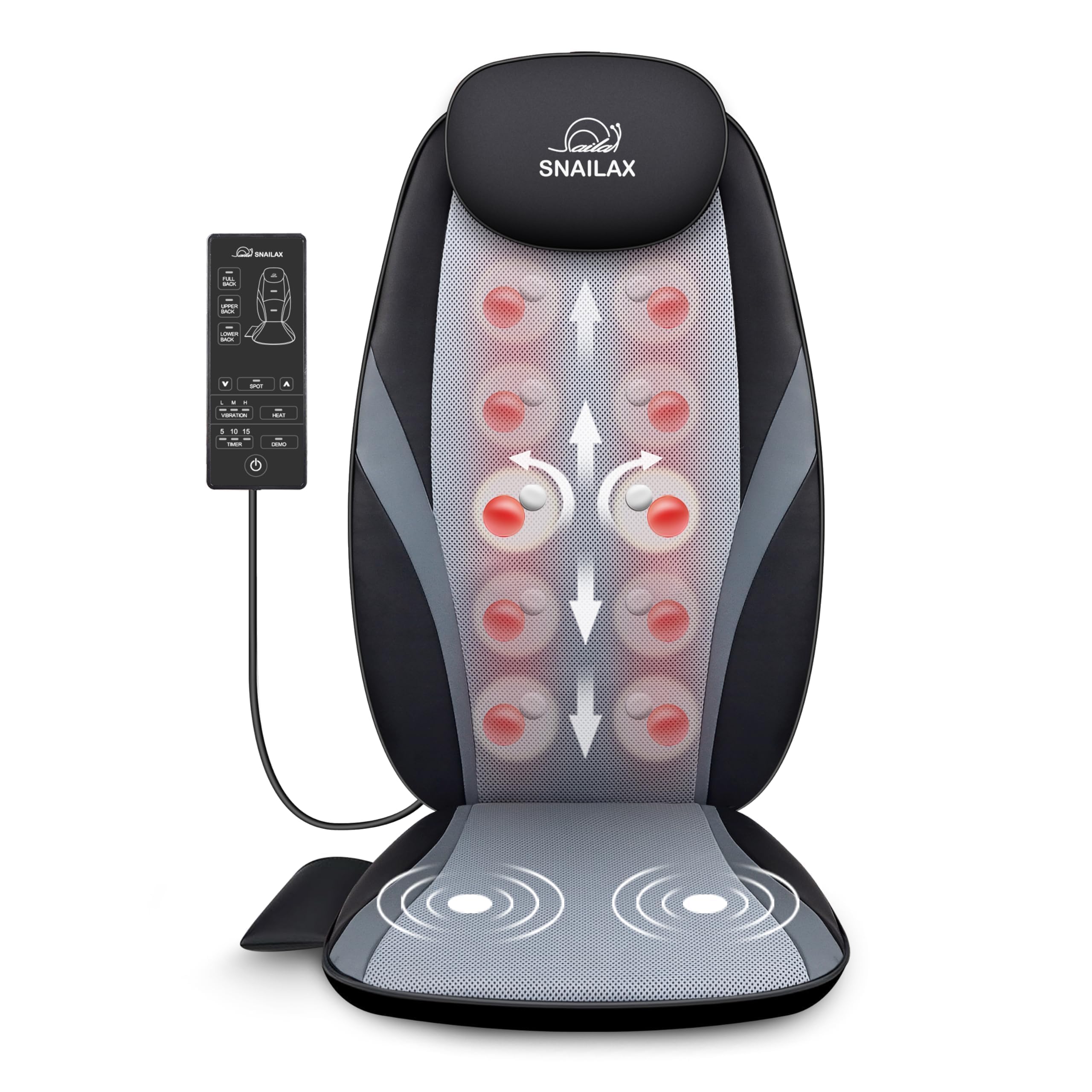
- Four kneading nodes travel up and down, with options for the full, upper, or lower back.
- Choose softer or stronger pressure and focus massage on a specific area.
- Built-in heat adds gentle warmth during a back massage.
Best Gift For: Caregivers who would appreciate a massage cushion for relaxing at home or during a desk break.

Everlasting Comfort Memory Foam Foot Rest
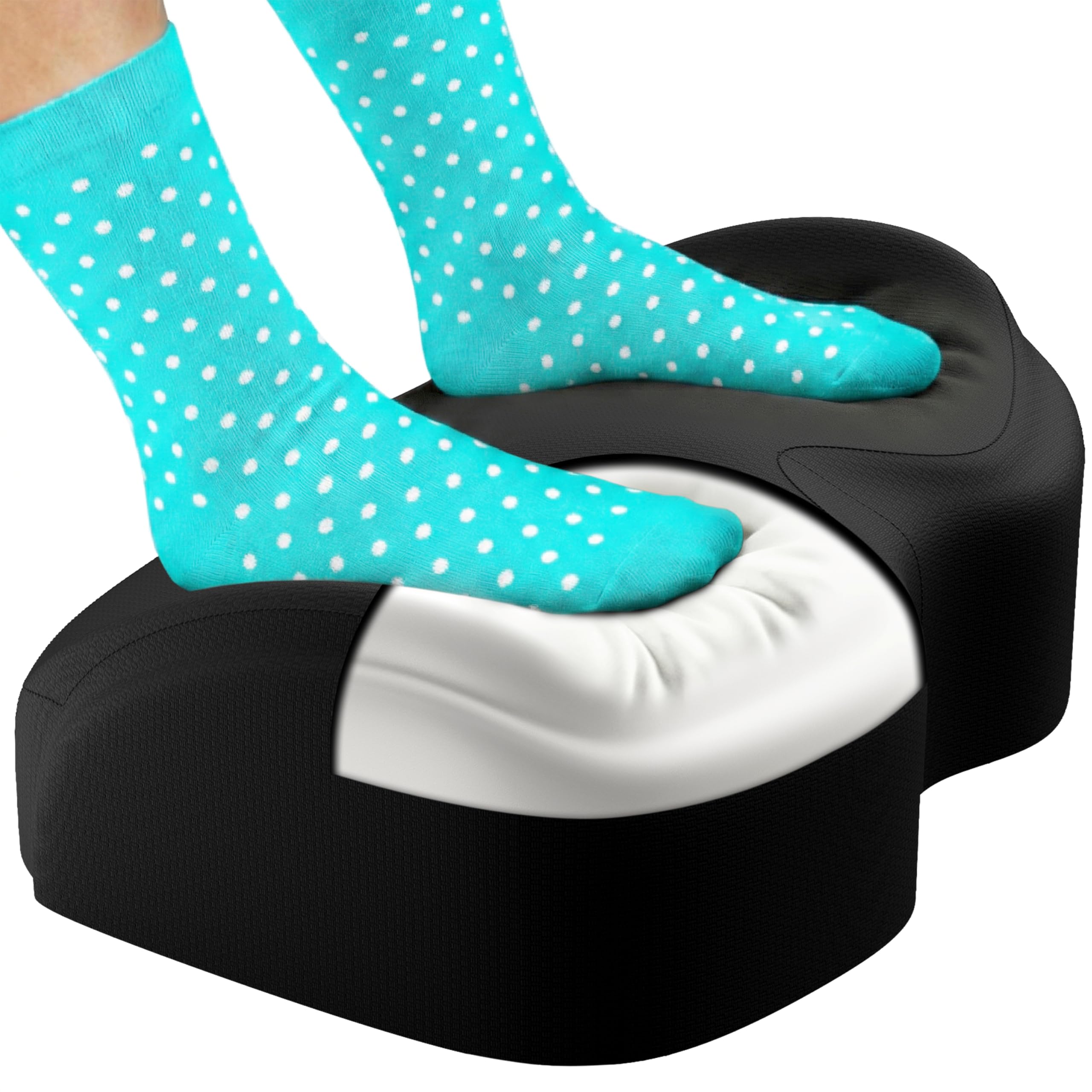
- Memory foam supports feet while they rest under a desk.
- The breathable cover can be machine washed.
- A non-slip base helps it stay in place on common floor surfaces.
Best Gift For: Caregivers who spend time seated at a desk, in a home office, or at a gaming station.
Cross Classic Century Gold-Plated Ballpoint Pen

- The metal pen has a slim profile and swivel-action mechanism.
- Its comfortable grip and precisely weighted design support smooth writing.
- It is refillable and arrives in a gift box.
Best Gift For: Caregivers who enjoy a polished pen for journaling, note taking, or everyday writing.
Hydracy 2L Motivational Water Bottle
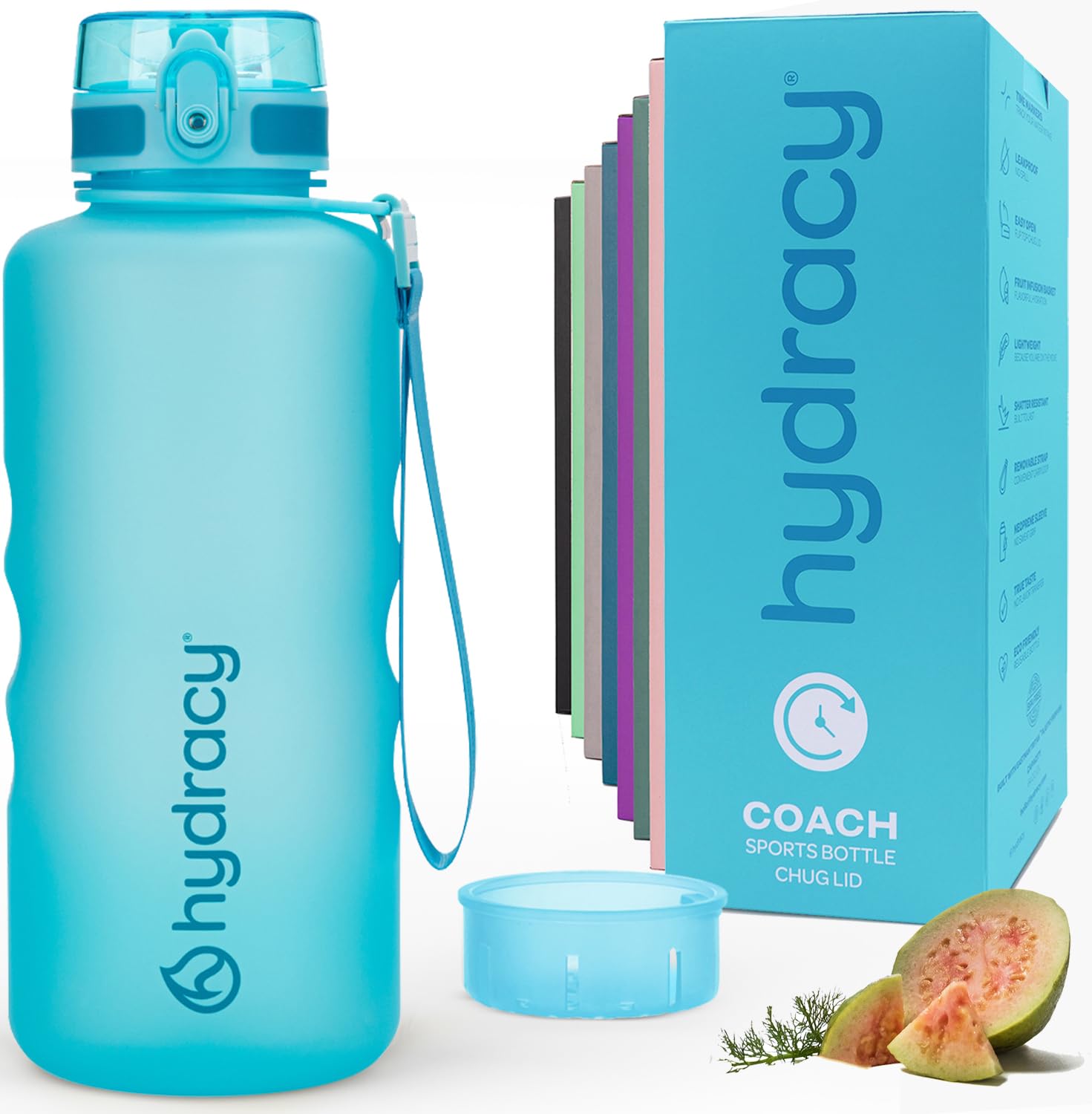
- A timeline on the bottle offers prompts for taking sips through the day.
- The bottle has a flip-top lid, carry strap, and fruit infusion strainer.
- The Tritan plastic bottle is reusable and BPA free.
Best Gift For: Caregivers who want a reusable bottle for a workday, workout, or outdoor outing.
MyHalos 3D Sleep Mask, 2-Pack
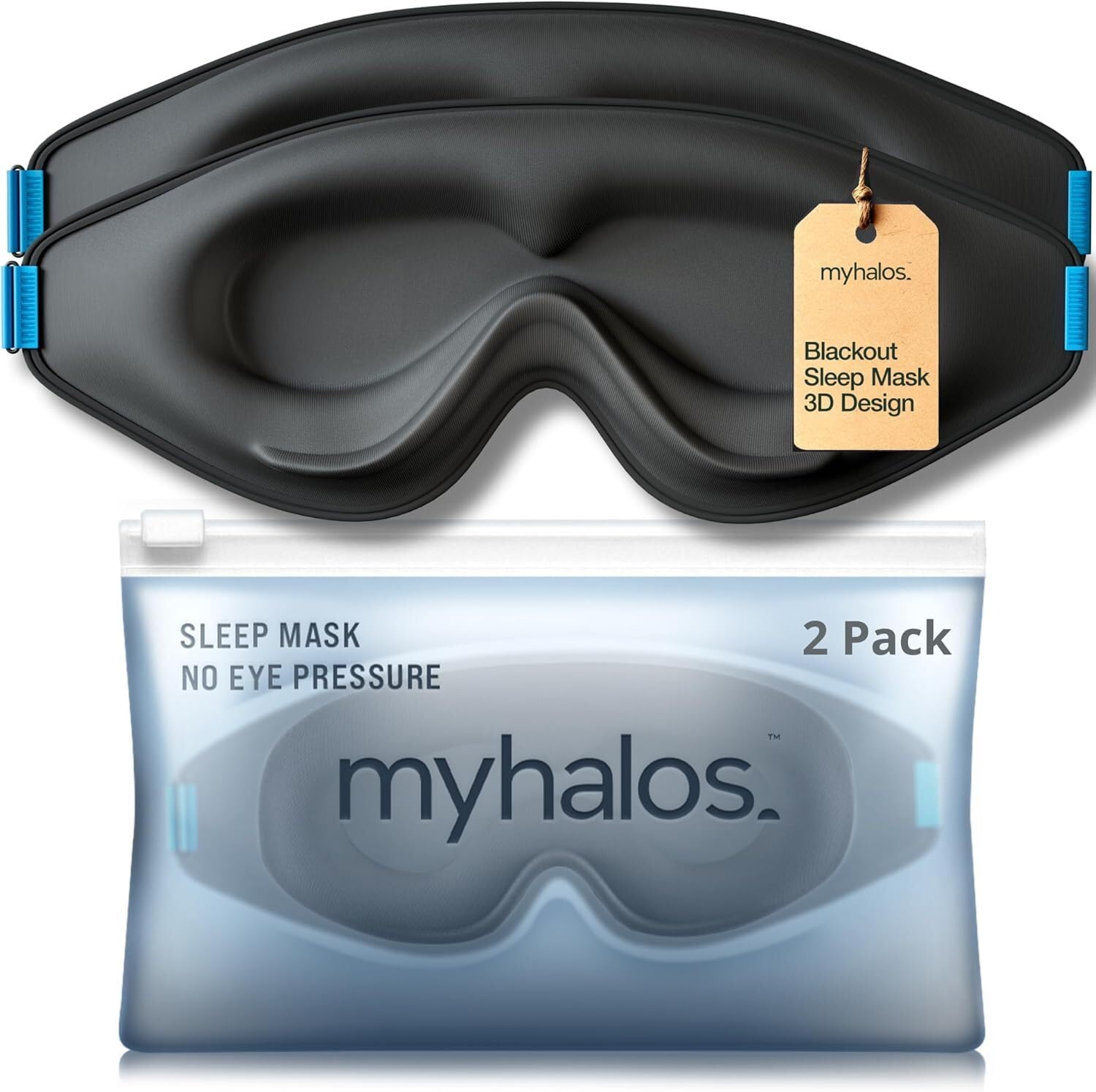
- A contoured design is made to block light.
- Deep eye cups are designed to avoid contact with eyelids or lashes.
- A compact design and protective pouch make it travel ready.
Best Gift For: Caregivers who travel, work night shifts, or prefer a dark setting for rest.
Clever Fox Planner PRO Light, Undated

- The planner provides monthly, weekly, and daily planning layouts.
- Its undated pages let the owner start at any point in the year.
- It comes with a quick-start guide and planning stickers.
Best Gift For: Caregivers who like to organize goals and schedules in a paper planner.
SONGMICS Adjustable Bed Laptop Desk
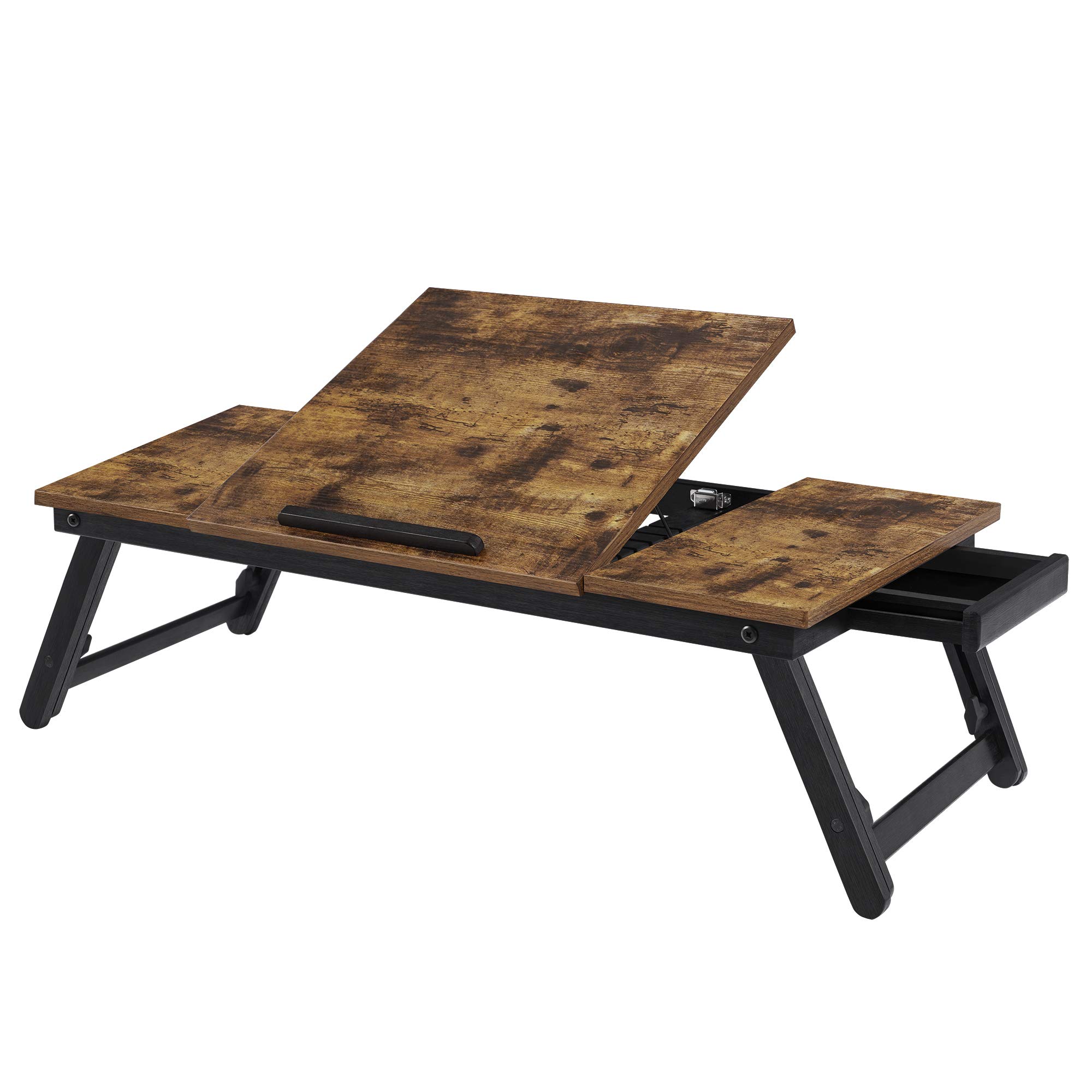
- The top tilts, and the legs adjust in height.
- Five angle settings and a symmetrical desktop serve left- or right-handed users.
- The folding tray can also serve breakfast or craft activities.
Best Gift For: Caregivers who work, read, or write from a bed or sofa.
Arctic Air Tower+ Evaporative Cooler
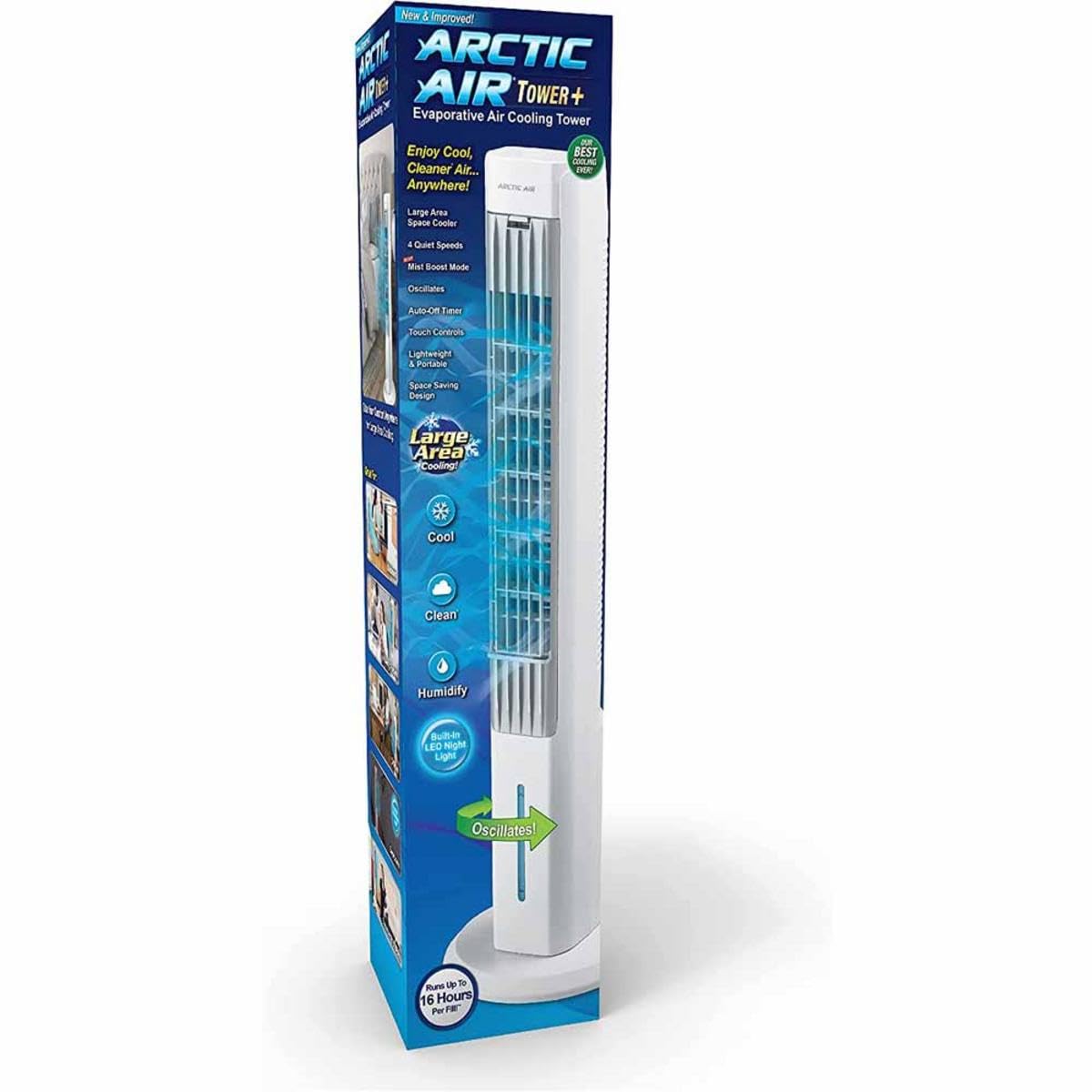
- Four fan speeds offer adjustable airflow.
- The oscillating fan has a carry handle for moving it around the home.
- A timer with auto shut-off and an LED nightlight are built in.
Best Gift For: Caregivers looking for a fan-style cooler for a bedroom, living room, or office.
SHOKZ OpenFit Open-Ear Wireless Earbuds
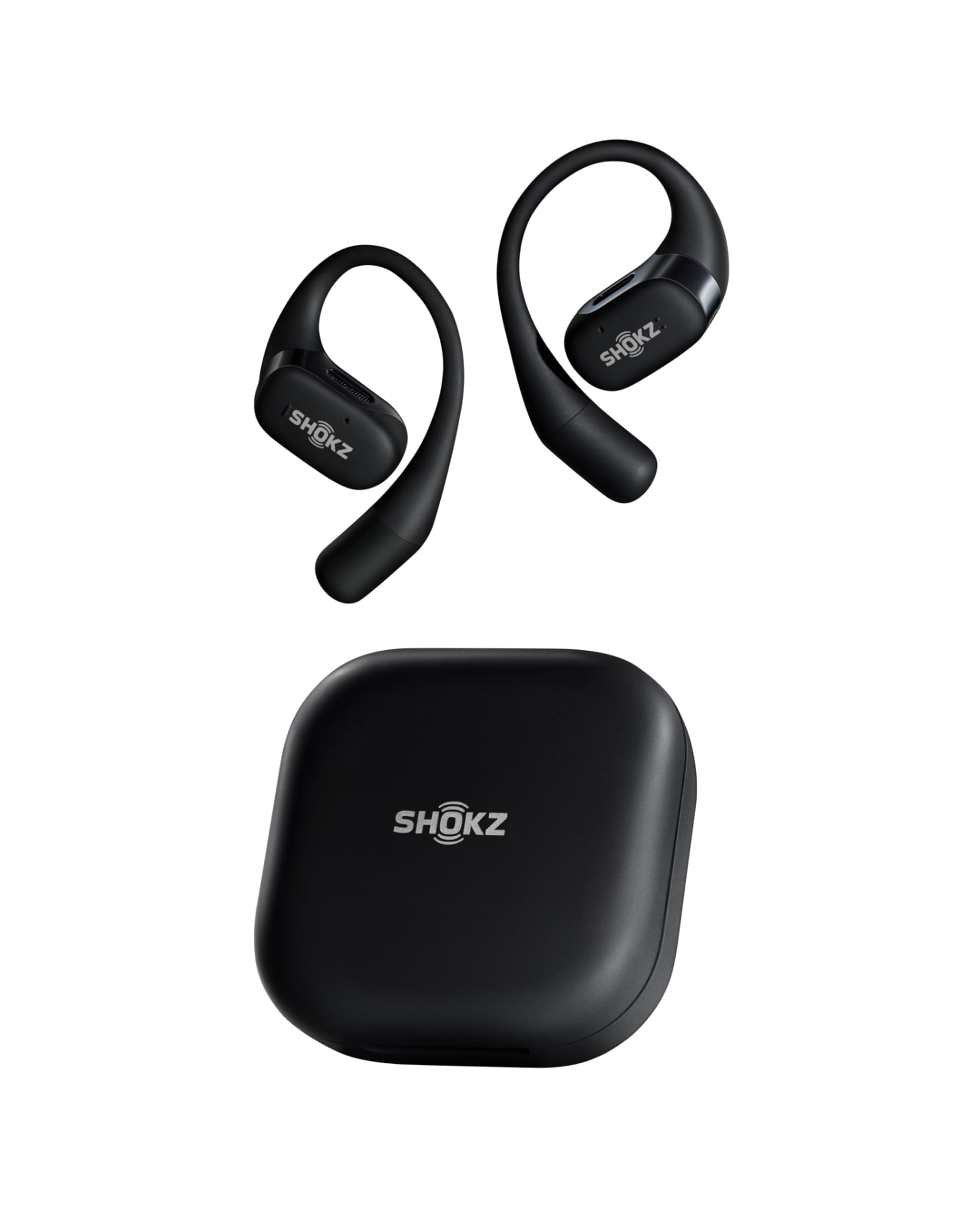
- The open-ear design uses soft silicone cushions.
- The ear hooks are designed for a flexible, secure fit.
- The charging case supports up to 28 hours of listening.
Best Gift For: Caregivers who listen to audiobooks or other audio and want an open-ear design.
RENPHO Shiatsu Foot Massager with Heat
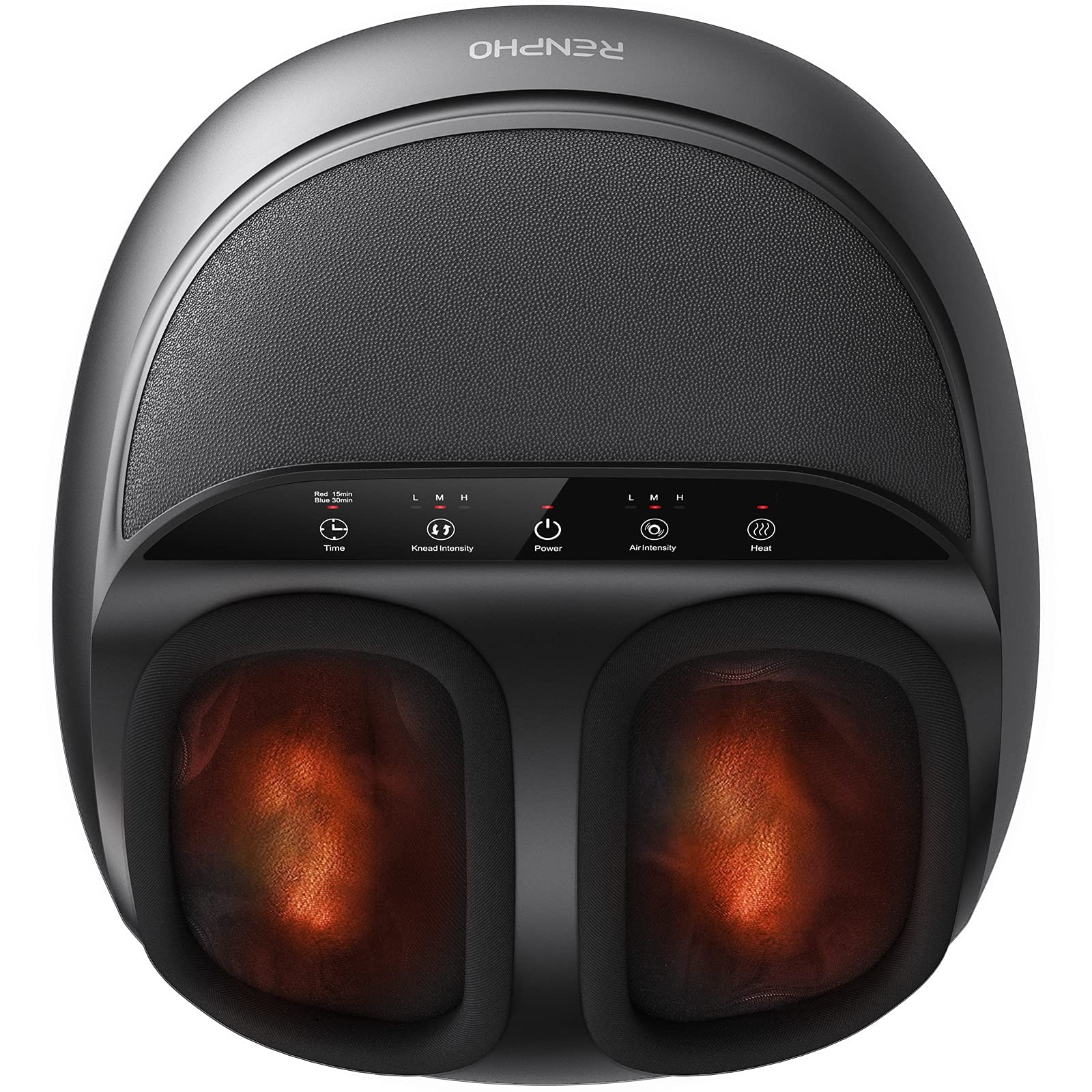
- The unit combines kneading, rolling, and heat.
- Choose from 3 kneading and 3 squeeze intensities.
- The foot chambers have removable, washable cloth sleeves.
Best Gift For: Caregivers who would enjoy a foot massage and whose feet fit the product's size range.
Mueller Living 1.8L Electric Kettle
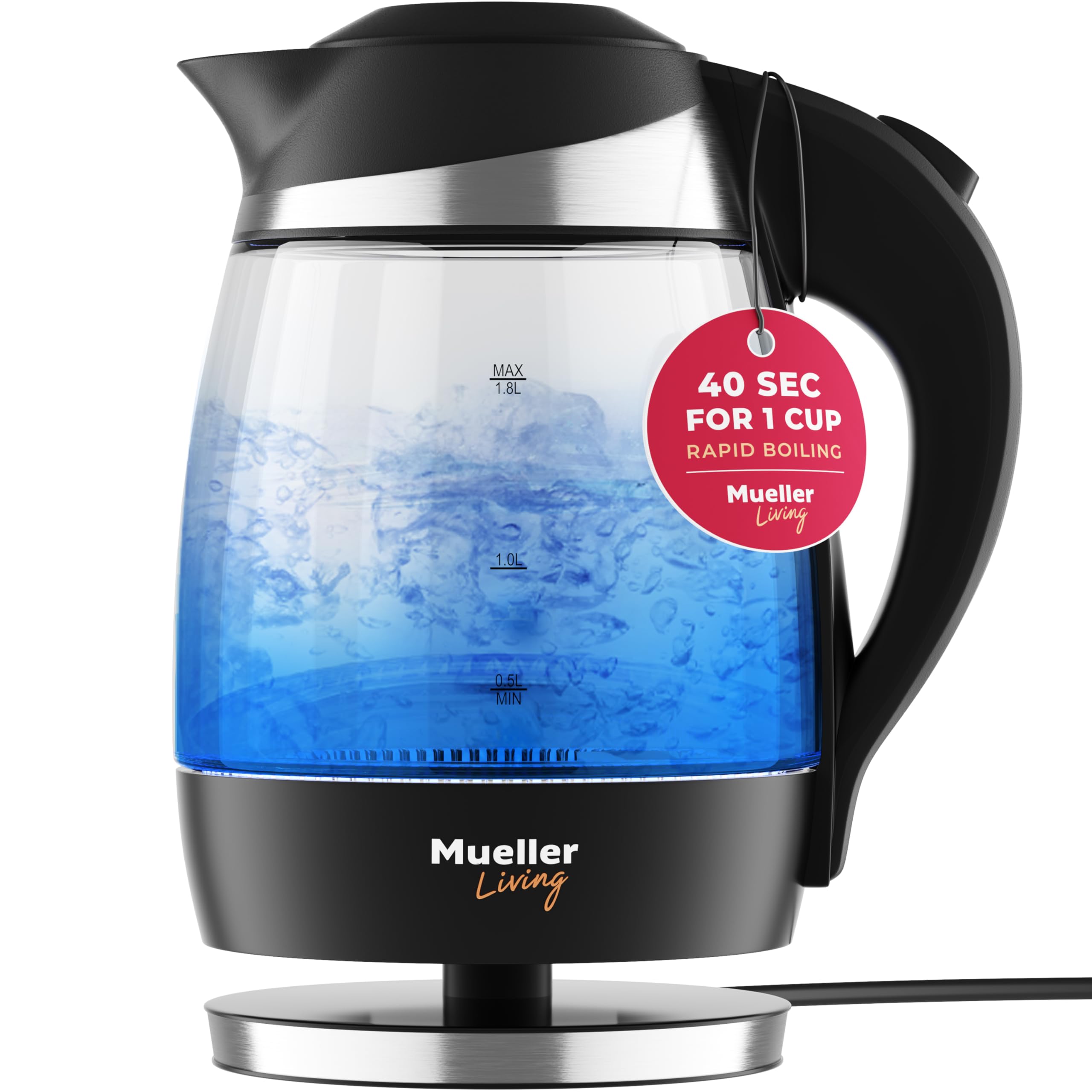
- The kettle is made of borosilicate glass and has a removable, washable filter.
- It switches off automatically when the water boils.
- The kettle is cordless for pouring; its power cord attaches to the base.
Best Gift For: Caregivers who enjoy making tea, coffee, oatmeal, or another hot drink at home.
GENIANI Portable Cool Mist Humidifier
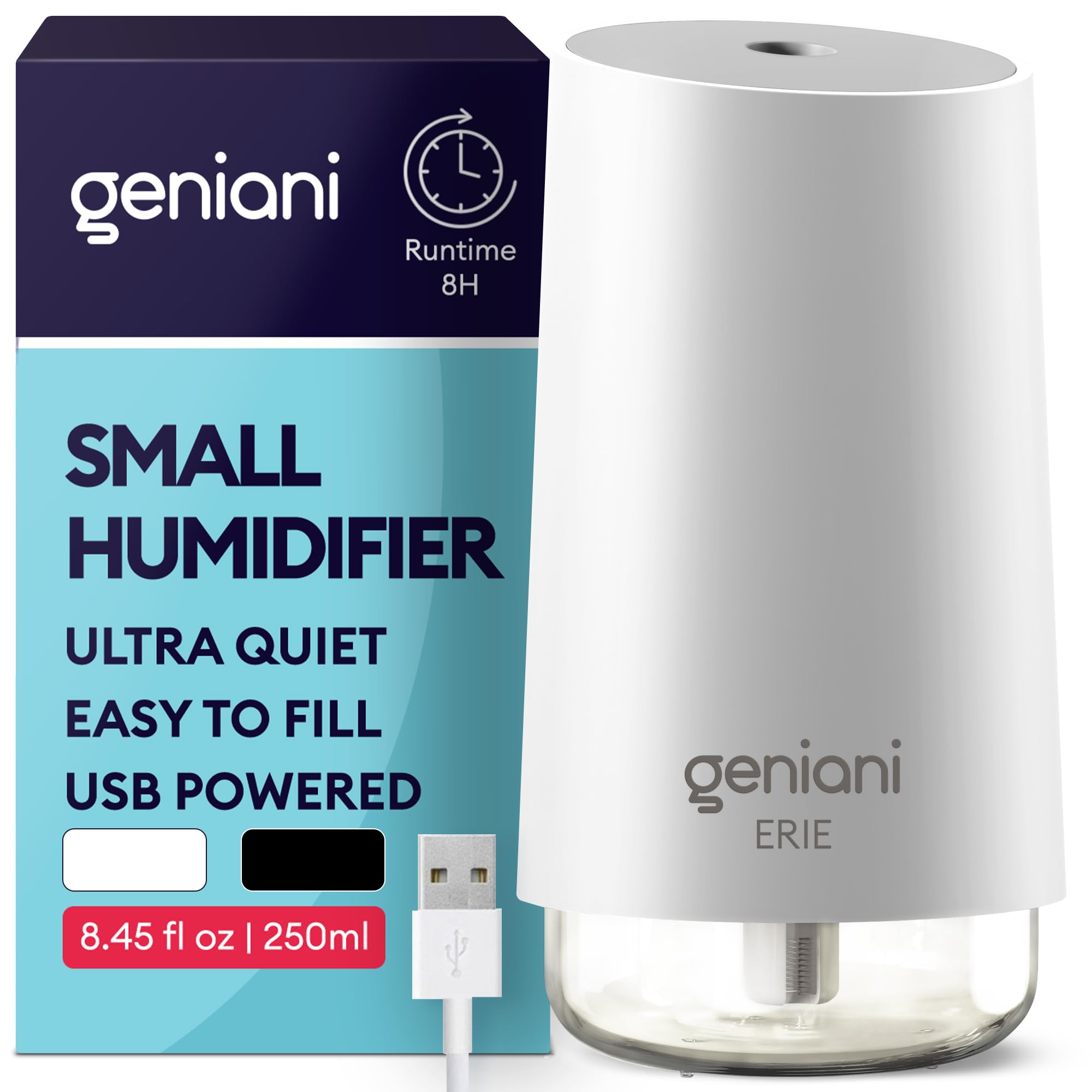
- The portable unit produces cool mist and has a 250 ml tank.
- Auto shut-off activates when the water runs low.
- USB power allows use with a laptop or power bank.
Best Gift For: Caregivers who want a compact humidifier for a bedroom, office, or travel space.
1. Choose gifts for caregivers around the shape of their day
For gifts for caregivers, start with the moments that repeat: a long stretch at a desk, a commute between responsibilities, a quiet break after work, or planning the week ahead. A practical present feels personal when it fits one of those familiar rhythms.
Think about where the recipient can actually use a gift. A desk accessory suits someone with a regular workstation; a home comfort item may work better for someone who prefers to unwind in their own space.
If their schedule changes often, choose something flexible and easy to incorporate.
Interests can narrow the choices further. A person who keeps notes may enjoy a good writing tool or planner, while an audiobook listener may value audio gear.
For someone who carries a drink through the day, a reusable bottle can be a useful companion. Aim for a gift that meets a real habit rather than asking them to take on a new one.
2. Balance budget with usefulness
A modest gift can still feel considered if it solves a small everyday annoyance. Desk comforts, a writing accessory, or a bottle may suit a coworker or friend when you want a warm gesture without making the gift feel formal.
For a larger occasion, a relaxation or home-comfort item can feel more substantial. Before choosing a powered product, consider whether the recipient has space to keep it and whether it will fit into their routine.
Check the current price, dimensions, compatibility, and care instructions before ordering.
If several people are contributing, agree on a comfortable budget first and choose one item that feels complete for the recipient. A useful gift is easier to enjoy when it does not require unplanned add-ons, extra storage, or a complicated setup.
3. Personalize gifts for caregivers with care
For gifts for caregivers, a brief personal note can make a practical object feel chosen specifically for them. Mention a real detail you appreciate, such as their patience, reliability, or the way they make a difficult day easier, and keep the message warm and direct.
Presentation can stay simple. Pair a planner with a handwritten note about making room for their own plans, or wrap a reusable everyday item in colors they like.
If the gift has several parts, arrange them together so the recipient can see what is included without extra fuss.
Consider accessibility and preferences before adding extras. A favorite tea, a small snack, or a card may complement a gift if you know what they enjoy, but avoid assuming dietary needs, scents, or personal routines.
The most thoughtful finishing touch is one that respects what the recipient has told you about their preferences.
4. Make the gift easy to receive
When time is short, pick a gift that is straightforward to understand and use. A simple desk or writing accessory can be easier to give than an item that needs setup, charging, or a particular place in the home.
If you choose an electronic item, check the required connections and included components.
For a scheduled celebration, allow time to compare product details and delivery estimates. Availability and arrival dates can vary, so verify them at checkout rather than relying on an earlier estimate.
If the timing is tight, a card explaining the intended gift can preserve the thoughtfulness while you confirm the order.
Keep packaging manageable for someone already handling a full day. Remove unnecessary outer wrapping, include a clear note, and make any gift receipt easy to find.
A low-pressure handoff lets the recipient open the gift when it suits them and avoids turning a kind gesture into another task.
5. Use a practical final checklist
Before buying, check whether the recipient already owns something similar, where the gift will live, and whether its care needs seem manageable. For wearable or personal items, consider comfort and fit; for home products, compare the available space with the product dimensions.
For gifts for caregivers, the most useful choice is often the one that acknowledges a specific preference without demanding more time from the recipient. Check current product details, compatibility, dimensions, and delivery estimates, especially for items they may use with devices or in a particular room.
If you are uncertain, choose a flexible everyday item and add a short note explaining why it made you think of them. That gives the recipient room to use it their own way and keeps the gesture sincere, useful, and easy to accept.